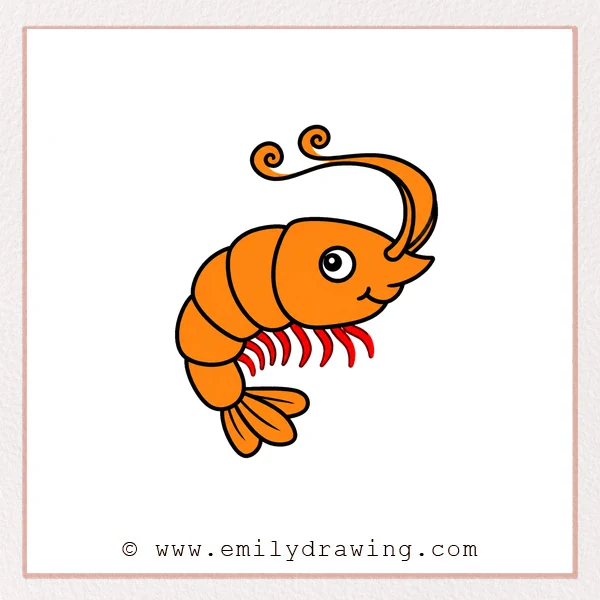
Learning how to draw shrimp is a fun way to practice curved lines and simple shapes. This easy drawing tutorial uses a rounded body, curled tail, long feelers, and tiny legs. Take your time with each step, and keep your lines smooth and gentle.
What You Will Need
- Pencil
- Eraser
- Black marker or pen
- Drawing paper
- Red, pink, or orange coloring tools
Here are my RECOMMENDED Art Supplies!
- Crayola Coloring Set (140 Pieces – Mega Value!)
- 24 Colored Crayon Set
- A4 Printer Paper
- Crayola Coloring Pencils
- HP Home Printer with Instant Ink!
Time needed:
26 minutes.
Step-by-Step Drawing Guide
Step 1: Draw the Basic Shrimp Outline
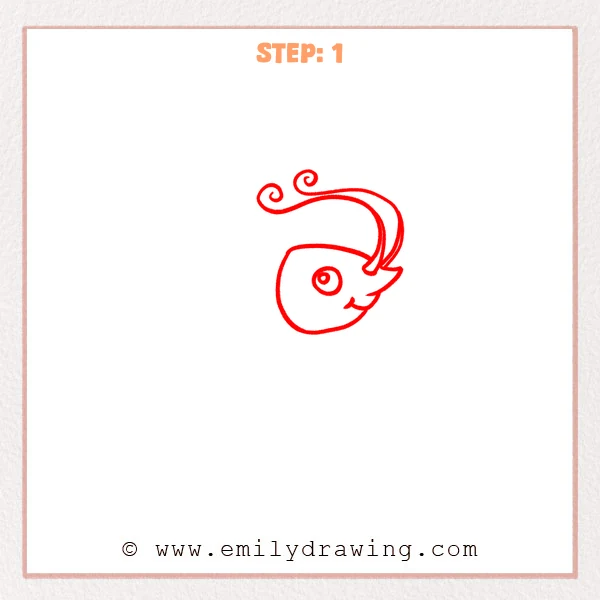
Start with a rounded body shape, with the bottom curving gently downward. Add a small pointed tail on the right side, then draw one round eye. Draw two long curved feelers from the top, with small curls at the ends.
Pro Tip: Keep the body rounded, and draw the feelers lightly so they are easy to adjust later.
Step 2: Add the Curved Abdomen
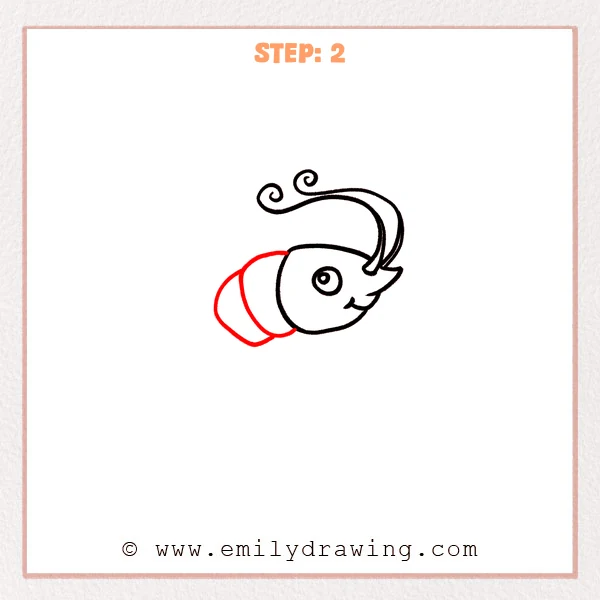
Draw a large outward curve on the left side to form the shrimp’s bent abdomen. Add a shorter inner curve to connect the abdomen back to the body. Let the lower line narrow slightly to show the shrimp curling inward.
Pro Tip: Make the abdomen a little wider than the head so the shrimp’s curled pose feels natural.
Step 3: Extend the Curved Tail End
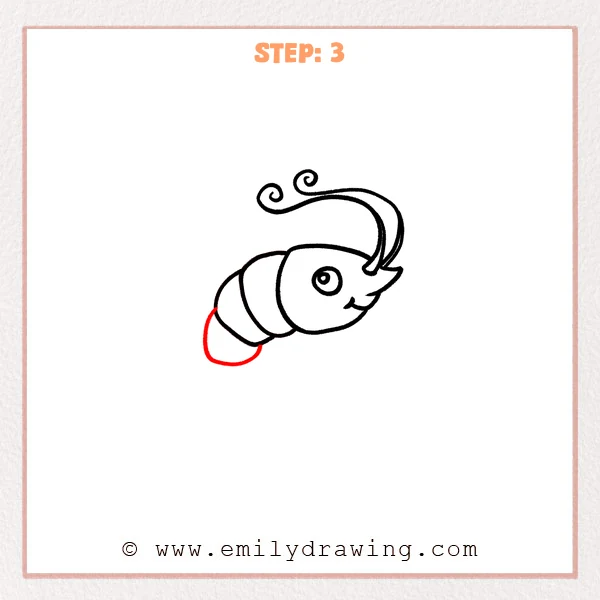
Continue the shape at the lower left of the abdomen with a rounded tail curve. Let this line move downward and then turn back to the right like a soft hook. Keep the tail end naturally connected to the abdomen, without making it too sharp.
Pro Tip: Make the tail-end curve smaller than the abdomen so the curl has clear layers.
Step 4: Continue the Tail Curl
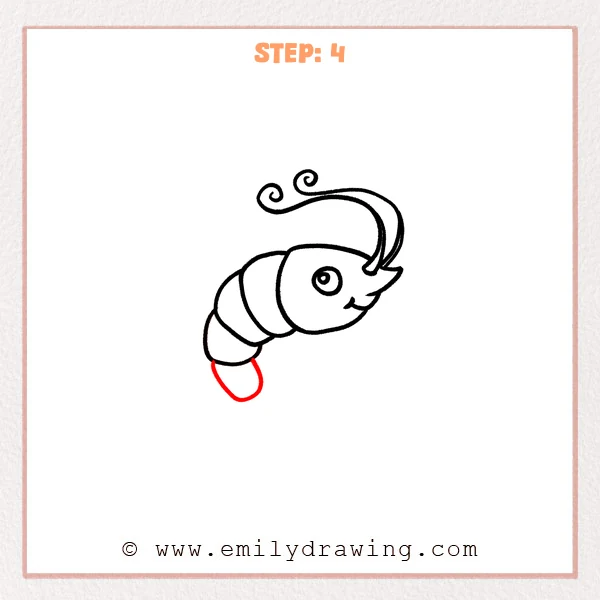
Draw a smaller curved oval shape below the previous tail end. Let the new line drop downward, then gently turn upward to form the tail tip. Keep the connection smooth so the tail looks naturally curled in sections.
Pro Tip: Make this tail section the smallest one to show the shrimp’s body tapering clearly.
Step 5: Draw the Tail Fan
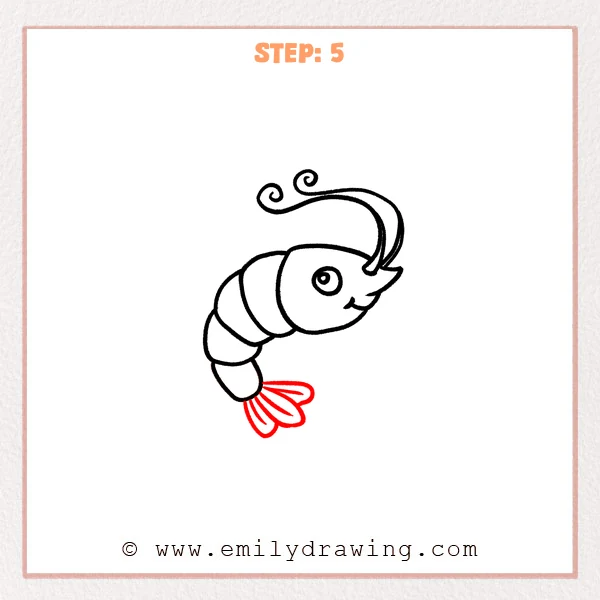
Add several curved lines spreading outward from the right side of the tail end. Connect these lines with rounded outer edges so the tail opens like a small fan. Let each tail line begin from the same connection point for a neat, natural look.
Pro Tip: Make the tail fan lines different lengths, but let them all spread outward from the tail end.
Step 6: Add the Small Belly Legs
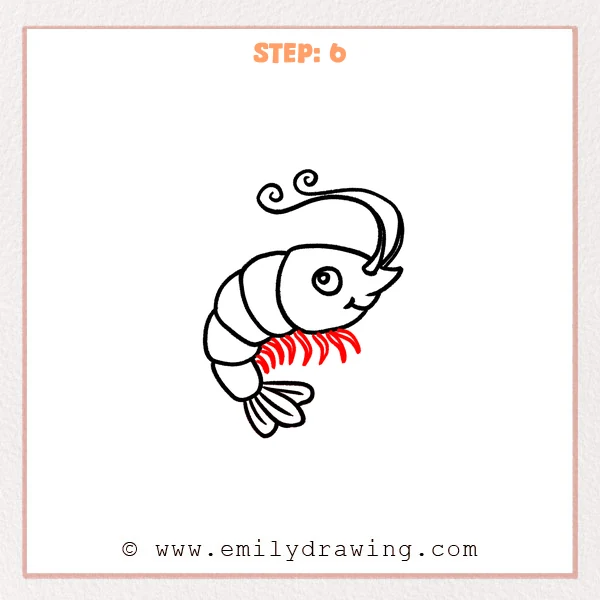
Draw a row of short curved lines under the shrimp’s body as tiny swimming legs. Let each little leg curve downward from the abdomen edge, with slightly different lengths. Arrange the lines neatly so they follow the curve of the shrimp’s body.
Pro Tip: Keep even spacing between the little legs to make the shrimp’s body look lighter.
Step 7: Color in your drawing!
Fun Facts
Shrimp have long antennae that help them sense the world around them. Their bodies are made of many sections, which makes them look naturally curved. Many shrimp use tiny swimming legs under their bodies to move through water.
Pin it now, Draw later!
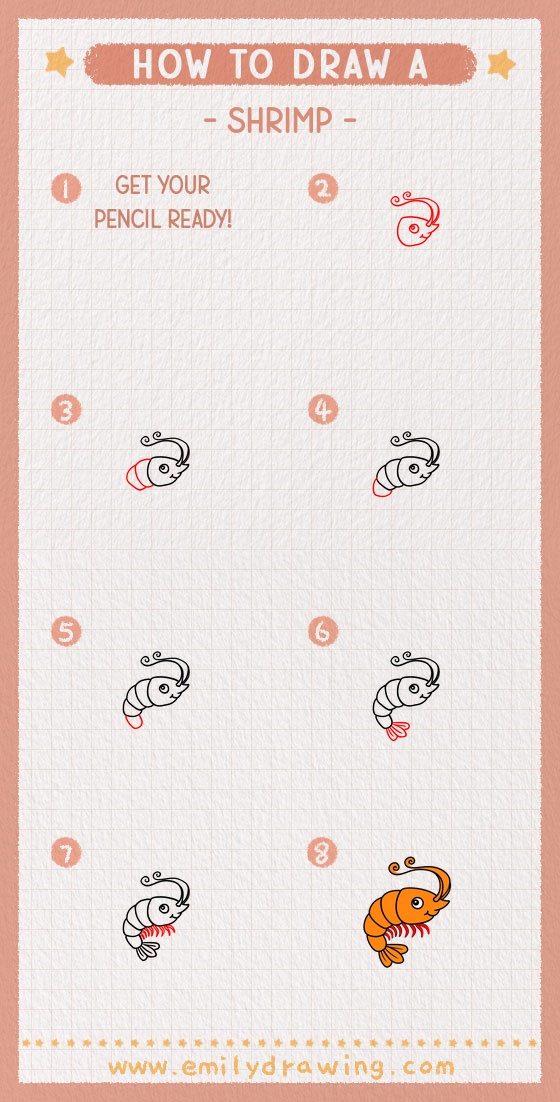
Now you have completed a simple shrimp step by step drawing. Trace your best lines with a marker, then erase any extra pencil marks. You can color the shrimp red, pink, orange, or any cheerful shade you like.
Try this drawing for beginners again and make a whole group of shrimp. Each one can have a different curl, tail fan, or expression.
Get the FREE Printable Drawing Guide
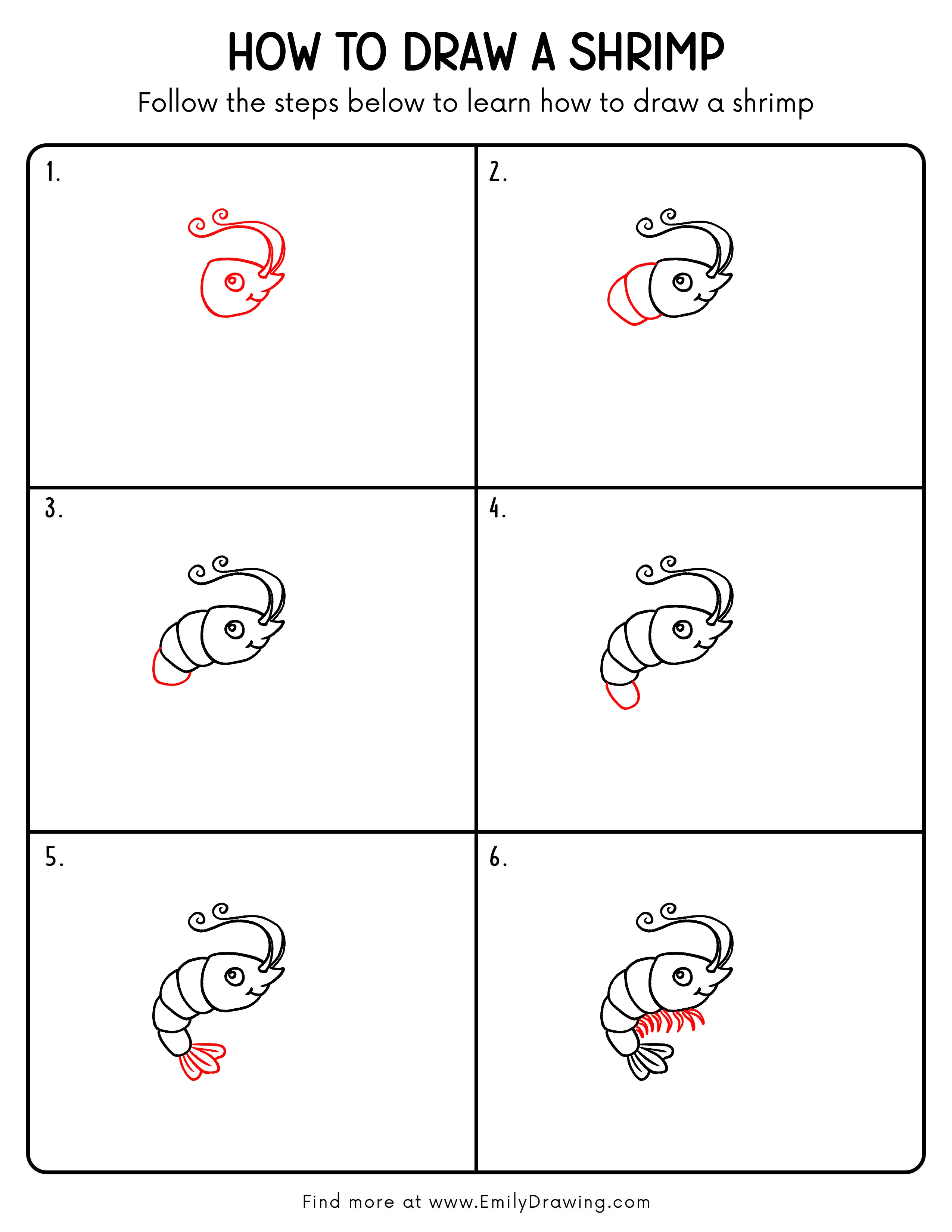
FREE Download Printable Shrimp Drawing Tutorial
Frequently Asked Questions
Is this shrimp drawing good for beginners?
Yes, this shrimp drawing is beginner-friendly because it uses simple curves and rounded shapes.
What colors should I use for a shrimp?
Red, pink, orange, and light coral all work well for a shrimp drawing.
How can I make my shrimp look cuter?
Make the eye a little larger, keep the body rounded, and add soft curved lines.